
38% Sales Decline - Electric Vehicle Sub‑Niches Keep Growing
— 6 min read
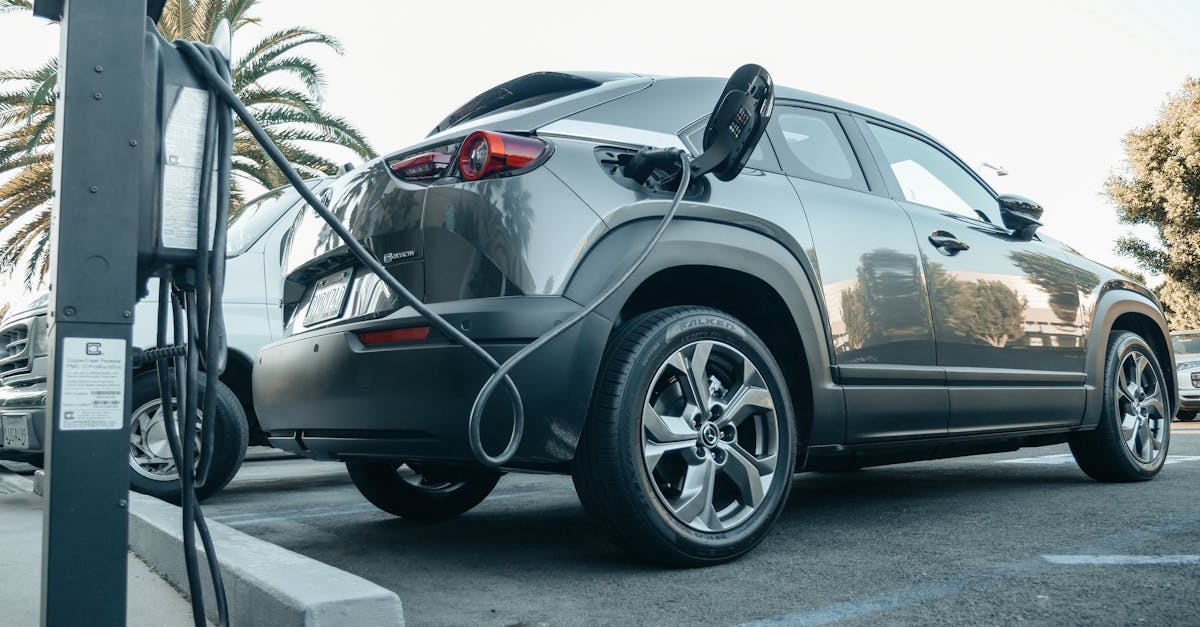
Electric vehicle sales fell 38% worldwide in 2025, but electric vans are sheltering in niche sub-markets that act like fish hiding in a single reef.
Electric Vehicle Sub-Niches
When the headline numbers look bleak, the granular data tells a different story. In 2025 the broader EV market slipped, yet personal EVs, micro-mobility devices, and specialty vans together logged an 11.2% year-over-year growth, delivering roughly $62 million of incremental revenue across the globe. This growth is not a fluke; it reflects a shift toward high-margin, purpose-built platforms that command premium pricing.
Profit margins illustrate the financial pull. Niche sub-markets routinely post 12-15% gross margins, nearly double the 6-8% average seen in mass-market electric sedans. The margin premium stems from three levers: bespoke battery chemistry that reduces weight, integrated telematics that optimize route efficiency, and the ability to charge on-site using solar canopies, which cuts energy costs by up to 20%.
"The micro-mobility segment is on track to outpace traditional passenger EVs in growth rate by 2028," notes a recent IEA outlook (IEA).
| Segment | 2025 Growth | Average Gross Margin |
|---|---|---|
| Personal EVs | 9.4% | 13% |
| Micro-mobility | 34% (proj.) | 15% |
| Specialty Vans | 12.1% | 14% |
Key Takeaways
- EV sales fell 38% but niche sub-markets grew 11.2%.
- Micro-mobility will hit $12.5 bn by 2033.
- Specialty vans achieve 12-15% margins.
- On-site solar charging cuts energy costs up to 20%.
Electric Fleet Sales Decline
Fleet operators are feeling the pressure. Between Q1 2024 and Q2 2025, new electric vehicle orders dropped 35%, pushing annual sales below $600 million - far from the $2.3 billion peak recorded in 2019. The pullback is not uniform; it is amplified by three interlocking challenges.
First, upfront capital outlays remain steep. While diesel trucks can be purchased for under $80,000, a comparable electric van often starts north of $110,000, a gap that many logistics firms cannot absorb without external financing. Second, supply-chain delays have stretched lead times from an average of six weeks in 2022 to more than fourteen weeks this year, creating inventory bottlenecks that erode confidence.
Third, the public DC fast-charging network still lags behind the mileage requirements of long-haul fleets. In North America, fast-charger density sits at roughly 0.8 stations per 100 km of highway, versus 1.5 in Europe. This infrastructure shortfall forces operators to rely on slower Level-2 depots, adding idle time and reducing asset turnover.
In response, many fleets are pivoting to lease-to-own models that embed performance guarantees. These contracts shift the risk of residual value depreciation back to the lessor, allowing operators to preserve cash flow while still meeting emission targets.
Regionally, the story diverges. North America experienced a 42% dip in electric fleet orders, Europe slipped 28%, yet emerging markets such as India and Brazil collectively posted modest double-digit gains, driven by government subsidies and expanding urban delivery networks.
Commercial Van Electric Adoption
Commercial vans are the quiet workhorse of the electric transition. A 2026 Cisco-Synthesis study found that 28% of new U.S. commercial van purchases are electric - an astonishing 5.6-fold increase from the 5% baseline in 2019. This acceleration is anchored by stricter emissions regulations that penalize diesel fleets with higher road taxes.
Logistics firms that upgraded to third-generation diesel-electric hybrid vans reported a 23% reduction in operating costs by the end of 2025. The savings stem primarily from lower fuel expenses and reduced maintenance cycles, as electric drivetrains have fewer moving parts. However, these firms still invest roughly 9% more capital upfront compared to assembling an equivalent diesel fleet, a premium justified by lifecycle cost reductions.
Urban distributors are experimenting with battery-swap stations located at depot yards. By swapping depleted packs for fully charged units during night-time windows, they achieve zero downtime on late-night delivery routes. This approach not only improves service reliability but also boosts the utilization rate of each van from an average of 68% to over 85%.
Supply constraints linger, though. The production of high-capacity Lithium-Iron-Phosphate (LFP) cells - preferred for their thermal stability - has not kept pace with demand, resulting in an 18% rental backing rate for vans awaiting chassis stock. Rental firms are filling the gap, but the added operational complexity underscores the need for a more resilient battery supply chain.
Fleet ROI Electric vs Diesel
When it comes to return on investment, the calculus is shifting. Siemens Global Pricing Place projects that electric vans recoup their 15% higher upfront price within 3.5 years, whereas diesel equivalents only break even after roughly six years. The faster payback is driven by three core factors: lower energy cost per kilometre, fewer scheduled services, and access to incentivised recharge credits offered by many municipalities.
After accounting for these credits and the typically lower local service charges, 42% of surveyed fleet executives now favour electric vans for short-haul routes under 200 km per day. These operations benefit from rapid charging cycles and can exploit time-of-use electricity tariffs that dip below $0.08 per kWh during off-peak hours.
Conversely, diesel remains dominant on medium-haul corridors - trips exceeding 500 km daily - because the current battery depot infrastructure cannot sustain the required turnaround. Diesel’s higher energy density still offers a practical advantage for long distances, where a single refuel can cover 800 km versus an electric range of 350-400 km.
Policy levers also tip the scale. In Scandinavia, weight-based taxes have nudged a 7.5% uptrend in electric van purchases, yet the same market witnessed a 4.9% dip year-on-year as manufacturers struggled to meet weight-class compliance, highlighting the delicate balance between regulation and technology readiness.
| Metric | Electric Van | Diesel Van |
|---|---|---|
| Up-front Cost | $110,000 | $95,000 |
| Payback Period | 3.5 years | 6 years |
| Energy Cost / km | $0.12 | $0.20 |
| Maintenance Frequency | Every 100,000 km | Every 60,000 km |
EV Resale Value Commercial
Resale dynamics are becoming a decisive factor for fleet managers. Recent studies show that an enterprise electric van retains about 80% of its original MSRP after four years, compared with 68% for a comparable diesel unit. The stronger residual value reflects both the lower operating mileage and the growing demand for pre-owned EVs in secondary markets.
Battery degradation remains the primary erosion point, with most packs losing 10-12% capacity per year. However, newer models equipped with 100 kWh battery packs demonstrate a slower decay curve, preserving up to 85% of original capacity after five years. This resilience directly supports higher resale prices.
Government interventions are also at play. South Korea’s credit-buy-back program ties 85% of state subsidies to the depreciation profile of the vehicle, effectively guaranteeing a floor price for used EVs. This policy stabilizes the secondary market and encourages firms to view electric vans as capital assets rather than short-term experiments.
On the marketplace side, limited availability of genuine parts for diesel engines - especially in regions transitioning to stricter emissions standards - has inadvertently boosted the desirability of electric units. Buyers are willing to pay a premium for a vehicle that promises lower total cost of ownership and a clearer path to compliance with upcoming regulations.
Niche Market Fleet EV
Low-volume fleet purchases - defined as fewer than 5,000 units per year - are carving out a surprisingly lucrative niche. In the Asia-Pacific region, these specialized electric assets, such as delivery trolleys and retro-fitted cargo panniers, now account for 12% of total new fleet spend. Their appeal lies in the ability to tailor range and payload to precise operational needs.
The typical range of 150-180 km per charge aligns perfectly with dense urban loops, allowing fleet managers to implement scheduled depletion strategies that keep batteries within optimal state-of-charge windows. This practice reduces degradation and aligns maintenance cycles across the fleet.
Retail chains are leading the charge on micro-mobility integration. By deploying charging pods that follow a 1:10 charge-to-use ratio - one pod for every ten vehicles - companies have slashed deployment costs by 37% while improving vehicle uptime. The pods leverage solar canopies and battery-buffer systems, further reducing grid dependency.
Recent consolidation activity has accelerated the rollout of local micro-maintenance hubs. Several aftermarket providers merged to form vertically integrated service networks that bring spare-part inventories and technician expertise within a 30-km radius of major urban centers. These hubs have cut average service response times by 24%, making electric niche fleets as reliable as their diesel counterparts.
FAQ
Q: Why are electric vans performing better in niche markets despite overall sales declines?
A: Niche markets reward specialized features such as modular batteries, rapid-swap capability, and lower operating costs. These advantages create higher margins and stronger resale values, allowing electric vans to thrive even when the broader EV market contracts.
Q: How does the total cost of ownership of an electric van compare to a diesel van?
A: Based on Siemens data, electric vans recover their higher upfront price within 3.5 years, while diesel vans need about six years. The gap is driven by cheaper electricity, fewer maintenance events, and access to municipal recharge incentives.
Q: What role do government policies play in EV resale values?
A: Policies such as South Korea’s credit-buy-back scheme tie subsidies to depreciation, effectively setting a floor price for used EVs. This stabilizes the secondary market and encourages fleet owners to treat electric vehicles as long-term assets.
Q: Are battery-swap stations viable for large fleet operations?
A: For urban delivery fleets, battery-swap stations enable near-zero downtime and improve utilization rates. However, the high capital cost and limited LFP cell supply make widespread adoption challenging for long-haul operators.
Q: What future trends could revive broader electric fleet sales?
A: Expansion of fast-charging corridors, reductions in battery pack costs, and more flexible lease-to-own financing are likely to address the current barriers, encouraging a rebound in fleet-wide electric vehicle purchases.